Birthstones by Month: The Complete Guide to All 12 Stones
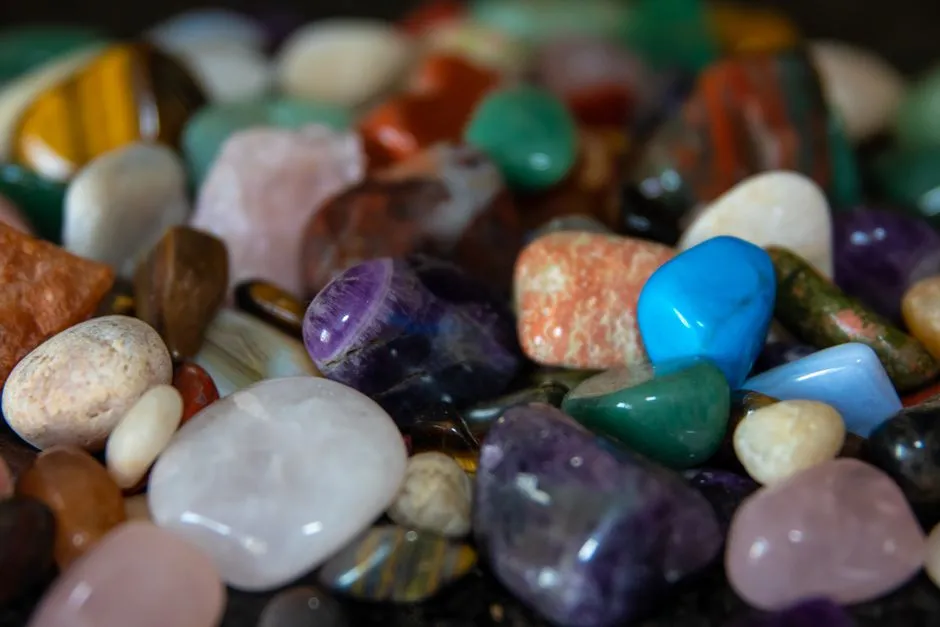
What Are the Birthstones for Each Month?
Every month of the year has at least one birthstone — a gemstone traditionally linked to people born in that month. The modern list runs: garnet (January), amethyst (February), aquamarine (March), diamond (April), emerald (May), pearl or alexandrite (June), ruby (July), peridot or spinel (August), sapphire (September), opal or tourmaline (October), topaz or citrine (November), and turquoise, tanzanite, or zircon (December).
That's the short answer. The longer answer is more interesting: several months have multiple stones, the "modern" list differs from older traditional lists, and the stones themselves vary enormously in durability, color range, and how honestly they're sold. This guide covers all of it, month by month.
Birthstone Chart by Month
| Month | Modern Birthstone(s) | Typical Color | Mohs Hardness |
|---|---|---|---|
| January | Garnet | Deep red (also green, orange) | 6.5–7.5 |
| February | Amethyst | Purple | 7 |
| March | Aquamarine | Pale blue to blue-green | 7.5–8 |
| April | Diamond | Colorless | 10 |
| May | Emerald | Green | 7.5–8 |
| June | Pearl, alexandrite | White; color-changing green/red | 2.5–3; 8.5 |
| July | Ruby | Red | 9 |
| August | Peridot, spinel | Yellow-green; many colors | 6.5–7; 8 |
| September | Sapphire | Blue (also many colors) | 9 |
| October | Opal, tourmaline | Play-of-color white; pink | 5–6.5; 7–7.5 |
| November | Topaz, citrine | Golden, blue; yellow-orange | 8; 7 |
| December | Turquoise, tanzanite, zircon | Sky blue; violet-blue; blue | 5–6; 6–7; 6–7.5 |
Hardness matters more than most gift-buyers realize — it determines whether a stone can survive daily wear in a ring. If those numbers are unfamiliar, our guide to the Mohs hardness scale explains what they actually measure.
The 12 Birthstones, Month by Month
January: Garnet
Garnet is best known as a deep, wine-red stone, but it's actually a family of related minerals that spans nearly every color — including the vivid green of tsavorite and the orange of spessartine. At 6.5–7.5 on the Mohs scale, garnet is durable enough for everyday jewelry with reasonable care. Most red garnet on the market is untreated, which makes it one of the more straightforward gems to buy: what you see is generally what the earth made.
February: Amethyst
Amethyst is the purple variety of quartz, colored by trace iron and natural irradiation. It sits at 7 on the Mohs scale — hard enough for rings, though it can abrade over years of rough wear. Amethyst is abundant and affordable, so large, richly colored stones are within almost anyone's reach. One honest note: much of the citrine sold commercially is actually amethyst that has been heated until it turns golden — a stable, permanent treatment, but worth knowing.
March: Aquamarine
Aquamarine is the sea-blue to blue-green variety of beryl, the same mineral species as emerald. At 7.5–8 it wears well in any type of jewelry. Most aquamarine is heat-treated to remove greenish tones and produce a purer blue; the treatment is routine, stable, and standard practice across the trade. March's traditional birthstone is bloodstone, a dark green chalcedony flecked with red — a striking, affordable alternative for anyone who wants something less expected.
April: Diamond
Diamond is pure carbon crystallized under extreme heat and pressure, and at 10 it is the hardest natural material on the Mohs scale — nothing else can scratch it except another diamond. That hardness makes it the most practical of all birthstones for daily wear. Note that hardness isn't toughness: a diamond can still chip along a cleavage plane from a sharp knock. Lab-grown diamonds, chemically identical to mined ones, are now a common and clearly disclosed option.
May: Emerald
Emerald is green beryl, colored by chromium or vanadium. Though it measures 7.5–8 in hardness, emeralds nearly always contain internal fractures and inclusions — the trade calls them the jardin, French for garden. Because of this, the vast majority of emeralds are treated with oils or resins that fill surface-reaching fractures and improve clarity. This is standard and should always be disclosed. It also means emeralds need gentle handling: never put one in an ultrasonic cleaner.
June: Pearl and Alexandrite
June gets two very different stones. Pearl is the classic: an organic gem formed inside mollusks, and at 2.5–3 on the Mohs scale, one of the softest materials worn as jewelry. Nearly all pearls sold today are cultured, meaning the process was started by human intervention on a pearl farm. Alexandrite is the rarity: a variety of chrysoberyl (hardness 8.5) that appears green in daylight and red under incandescent light. Fine natural alexandrite is genuinely scarce, so much of what's affordable is lab-grown — a legitimate product when labeled as such. Moonstone also appears on some June lists.
July: Ruby
Ruby is the red variety of corundum — the same mineral as sapphire — and at 9 on the Mohs scale it is second only to diamond among the classic gems. Its red comes from trace chromium. The great majority of rubies on the market are heat-treated to improve color and clarity; this is accepted, stable, and should be disclosed. Some lower-cost rubies are glass-filled, a much less durable treatment that demands careful handling — always ask which you're buying.
August: Peridot and Spinel
Peridot is gem-quality olivine, one of the few gemstones that comes in only one color: yellow-green, from the iron in its chemistry. At 6.5–7 it's fine for earrings and pendants, but ring-wearers should expect to treat it kindly. Peridot is typically untreated. Spinel, added to the official August list in 2016, is arguably the upgrade: hardness 8, brilliant colors from red to cobalt blue to lavender, and usually no treatment at all. For centuries, red spinels were mistaken for rubies — including famous stones in royal regalia.
September: Sapphire
Sapphire is corundum in every color except red (red corundum is ruby). The classic velvety blue comes from iron and titanium, but sapphires also come in pink, yellow, green, purple, and the rare orange-pink called padparadscha. At Mohs 9, sapphire is one of the best choices in existence for a daily-wear ring. Be aware that most sapphires are heat-treated — a routine, permanent enhancement that reputable sellers disclose. Untreated stones of fine color command a significant premium precisely because they're uncommon.
October: Opal and Tourmaline
Opal is hydrated silica whose internal structure diffracts light into shifting flashes of color — the famous play-of-color. It's soft (5–6.5), sensitive to impact, and contains water, so it needs genuinely careful treatment: no ultrasonic cleaners, no prolonged heat. Tourmaline, October's second stone, is far tougher at 7–7.5 and comes in more colors than almost any other gem — pink and green are the birthstone classics, sometimes both in one crystal (watermelon tourmaline). Some pink tourmaline is irradiated to deepen its color.
November: Topaz and Citrine
Topaz is a hard (Mohs 8), brilliant stone that is naturally most often colorless, yellow, or brown. Nearly all the vivid blue topaz on the market gets its color from irradiation followed by heating — a safe, permanent, and near-universal treatment for that color. Golden "imperial" topaz is the traditional November color. Citrine is golden-to-orange quartz, hardness 7, and an affordable warm-toned alternative; as noted above, most commercial citrine began life as amethyst before heating.
December: Turquoise, Tanzanite, and Zircon
December has three blue options. Turquoise is the ancient one — an opaque sky-blue mineral used in jewelry for thousands of years. It's soft (5–6) and porous, so much of it is stabilized with resin to make it wearable; solid untreated turquoise is the exception, not the rule. Tanzanite is the newcomer, a violet-blue variety of zoisite found commercially in only one area of Tanzania; virtually all tanzanite is heated to develop its color. Zircon — a natural mineral, not to be confused with synthetic cubic zirconia — offers genuine brilliance and fire; its popular blue color is also produced by heating.
Modern vs. Traditional Birthstones
The month-to-stone pairings feel ancient, and the idea is — stones have been linked to months and zodiac signs for many centuries, with roots often traced to the twelve stones of the biblical breastplate of Aaron. But the specific list most jewelers use today is a twentieth-century creation. In 1912, the American national jewelers' association adopted a standardized list to end the confusion of competing traditions, and that list has been amended several times since: alexandrite and citrine were formalized, tanzanite joined December in 2002, and spinel joined August in 2016.
The practical differences between the lists:
- March — modern: aquamarine; traditional: bloodstone
- June — modern: pearl and alexandrite; traditional lists often favored pearl or moonstone
- August — modern: peridot and spinel; traditional: sardonyx
- October — modern: opal and tourmaline; older lists used opal alone
- December — modern additions of tanzanite and zircon alongside the older turquoise and lapis-influenced traditions
Neither list is more "correct." If you love bloodstone more than aquamarine, wear bloodstone — the tradition exists to serve you, not the other way around.
Choosing and Caring for a Birthstone
A birthstone chart tells you what to buy; it doesn't tell you how the stone will hold up. Three practical points:
- Match the stone to the jewelry. Stones at Mohs 8 and above (diamond, sapphire, ruby, spinel, topaz, alexandrite) handle daily-wear rings well. Softer stones — opal, pearl, turquoise — are happiest in earrings, pendants, and occasional-wear pieces where they won't take knocks.
- Know the treatment before you clean. An untreated sapphire tolerates almost any cleaning method; a fracture-filled emerald or ruby can be ruined by solvents or ultrasonic cleaners. Our stone-by-stone guide to cleaning gemstone jewelry safely covers what's safe for each.
- Ask what you're buying. Heated, irradiated, filled, stabilized, cultured, lab-grown — none of these words should be hidden from you, and a reputable seller will volunteer them. If you're ever unsure what a stone actually is, our guide to identifying gemstones at home walks through the basic tests.
Birthstones endure because they turn a birthday into something you can hold: a mineral with real chemistry, real history, and — if you buy with clear eyes — real honesty behind it. Whatever your month gave you, it's worth knowing well.